This year (2026) the Berkeley Architectural Heritage Association is celebrating its 51st year! The Berkeley Architectural Heritage Association (BAHA) is Berkeley’s non-profit preservation organization whose mission is to promote, through education, an understanding and appreciation for Berkeley’s history, and to encourage the preservation of its historic buildings. Incorporated on December 9, 1974, the organization has been active since 1971.
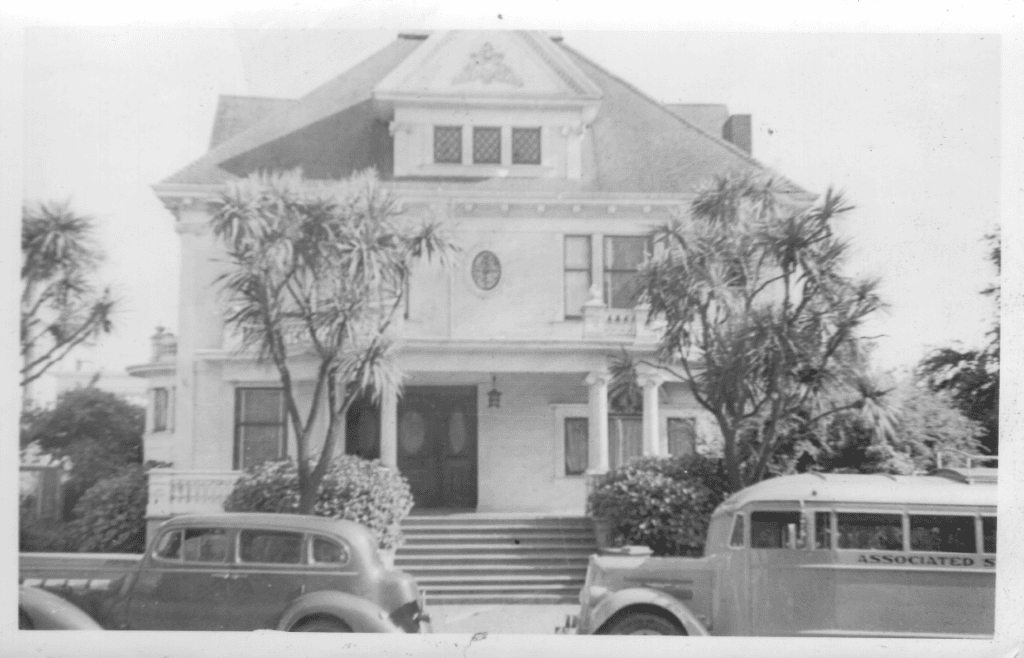
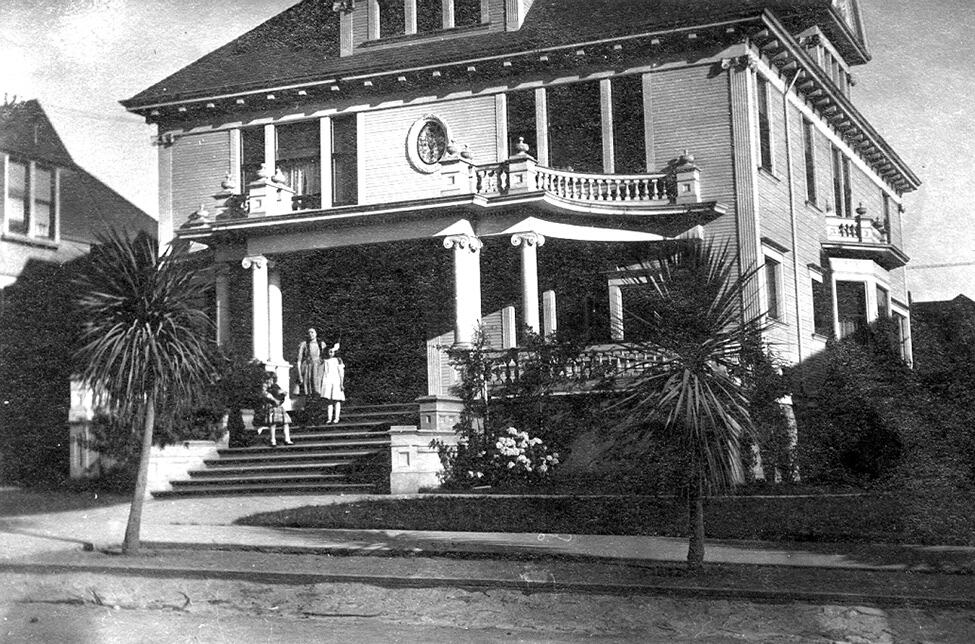
The McCreary-Greer House at 2318 Durant Avenue, donated to BAHA in 1986 by Ruth Alice Greer, is the Association’s headquarters. Built in 1901 in the Classic Revival style, it is a City of Berkeley Landmark.
BAHA History
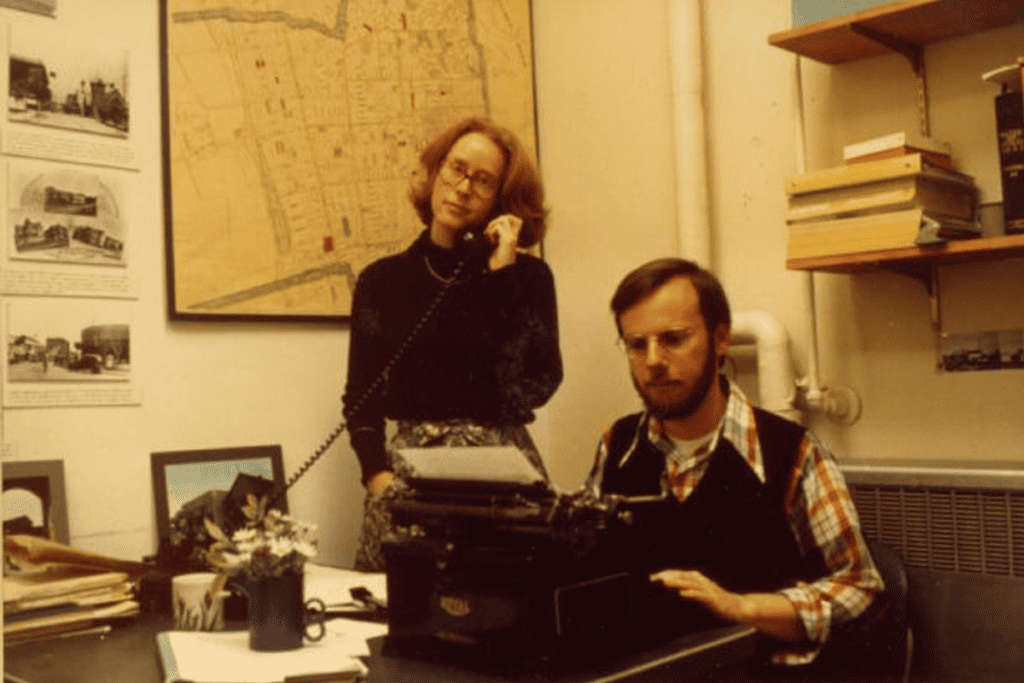
by Arlene Silk
BAHA and the Landmark Commission were created in 1974 by the same group of people. We worked right from the start to include industrial and commercial buildings and we emphasized streetscape and context of the built environment. We held many events in some of these neglected buildings to bring attention to them.
BAHA received several grants in its early years. In 1977 we undertook the California State Historic Resources Inventory which was subsidized by the United States Department of Interior. The survey identified 650 sites and structures, including 73 in the downtown.
Welcome to the new Berkeley Architectural Heritage Association website, and if you have signed up, thanks so much for doing that! The Board is very happy that this is now…
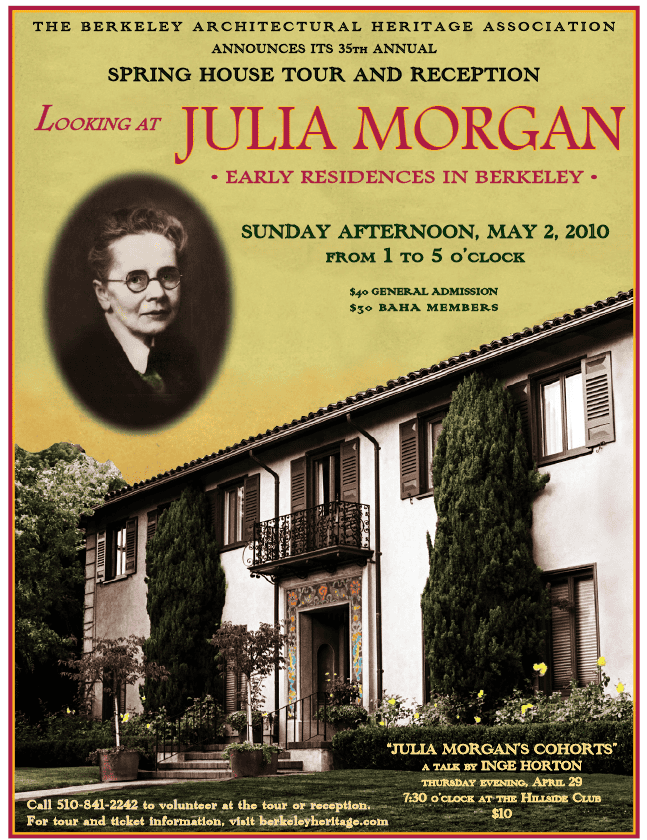
These are always very popular and we usually have hundreds of people touring beautiful Berkeley houses, visiting with BAHA board members, and/or buying BAHA books/brochures. For example, in 2010 we…
An article from 1909 stated: "The beautiful home of Mr. and Mrs. J. E. McCreary, on Durant avenue, was the scene Thursday evening of a most enjoyable affair. A score…
This website will no longer be updated, and is for informational use only. The archived website will take months to be indexed by Google. If you use a Google search, say, for “Gifford McGrew House Berkeley” it will show a link that looks like this: https://berkeleyheritage.com/essays/mcgrew.html
You will need to add ‘old’ to the front of the URL to access the information on this house in the archived BAHA website. It should look like this: http://old.berkeleyheritage.com/essays/mcgrew.html
You will then be able to access the information you are looking for.